
New Orleans Jazz Museum®
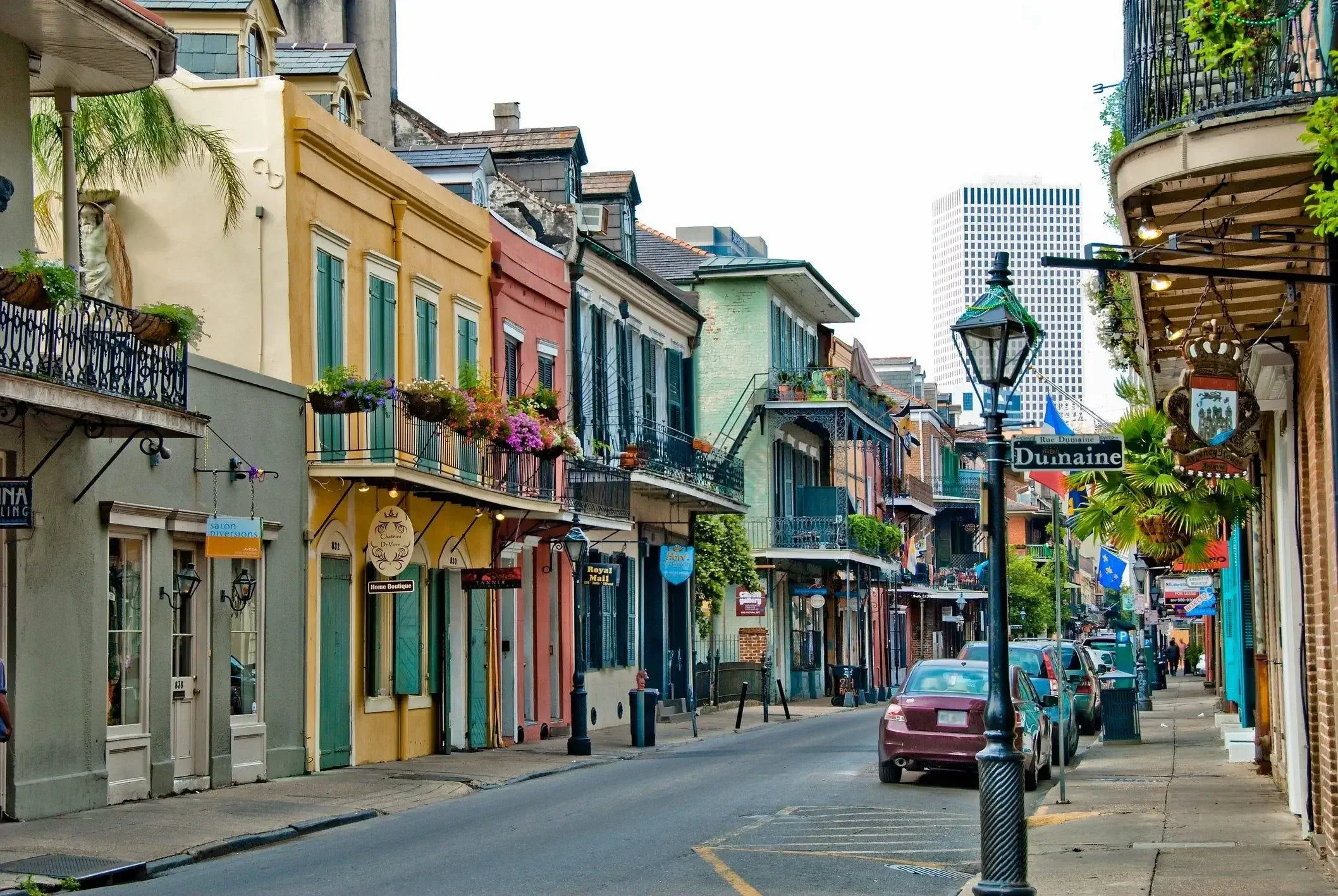
Dumaine Street History
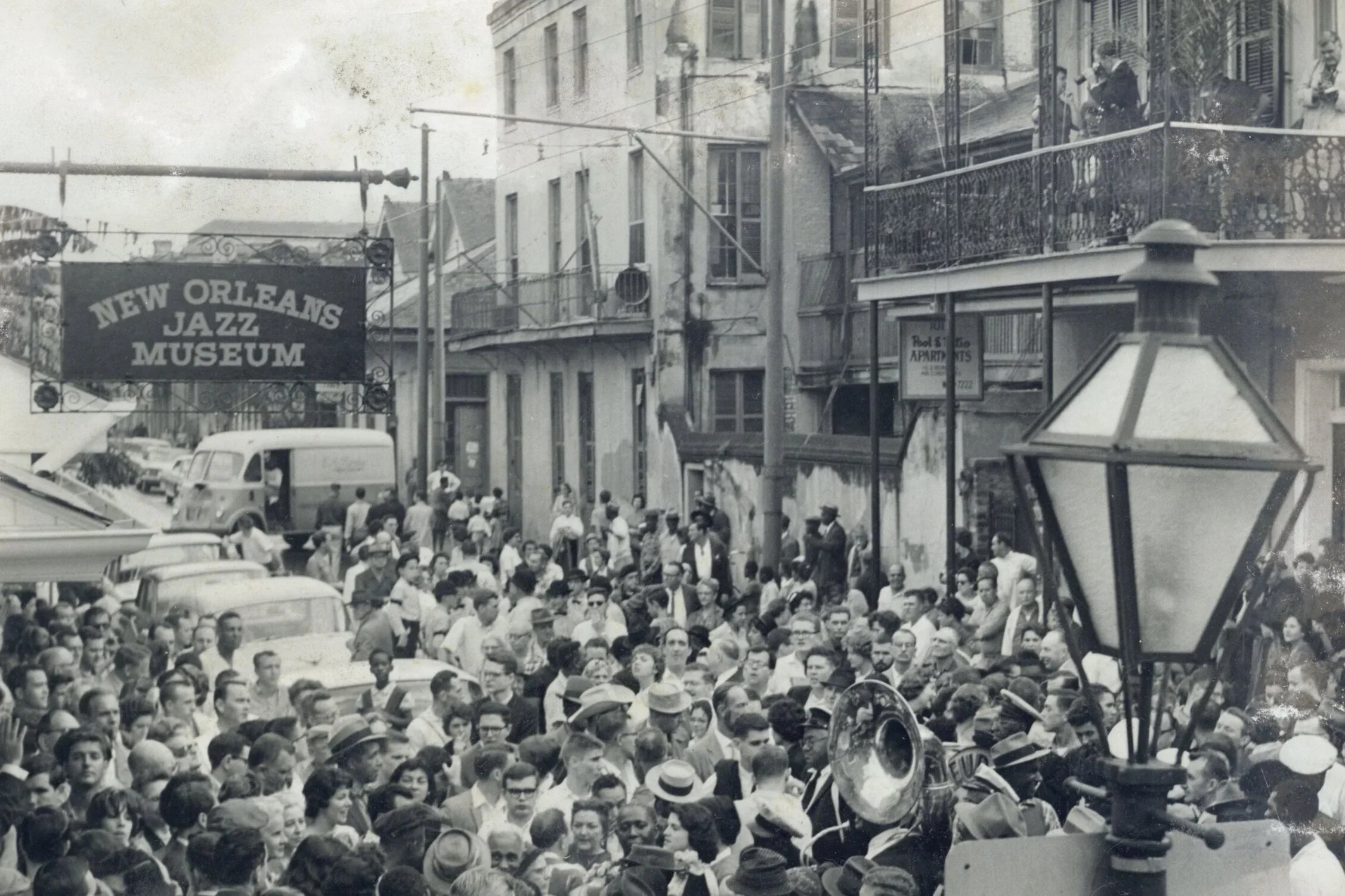
The Most Musical Block in America
There is a block in New Orleans' French Quarter that runs from Burgundy Street to North Rampart along Dumaine — and within a few hundred feet of that corridor, the entire origin story of American music converges.
Congo Square sits just across Rampart, where the roots of jazz took hold over generations. The corner of Rampart and Dumaine is where Cosimo Matassa recorded Fats Domino, Little Richard, and Ray Charles in a room barely larger than a closet. Storyville began a few blocks north. The Tremé - the oldest African American neighborhood in the United States - runs along the same edge. One of the oldest surviving French colonial buildings in the city stands at the corner of Burgundy and Dumaine, built in 1781, surviving both of the city's catastrophic Great Fires. Tennessee Williams lived directly across the street. And in 1961, on this very block, the world's first jazz museum opened its doors!
The New Orleans Jazz Museum® Burgundy & Dumaine Jazz Archive is rooted in this history.
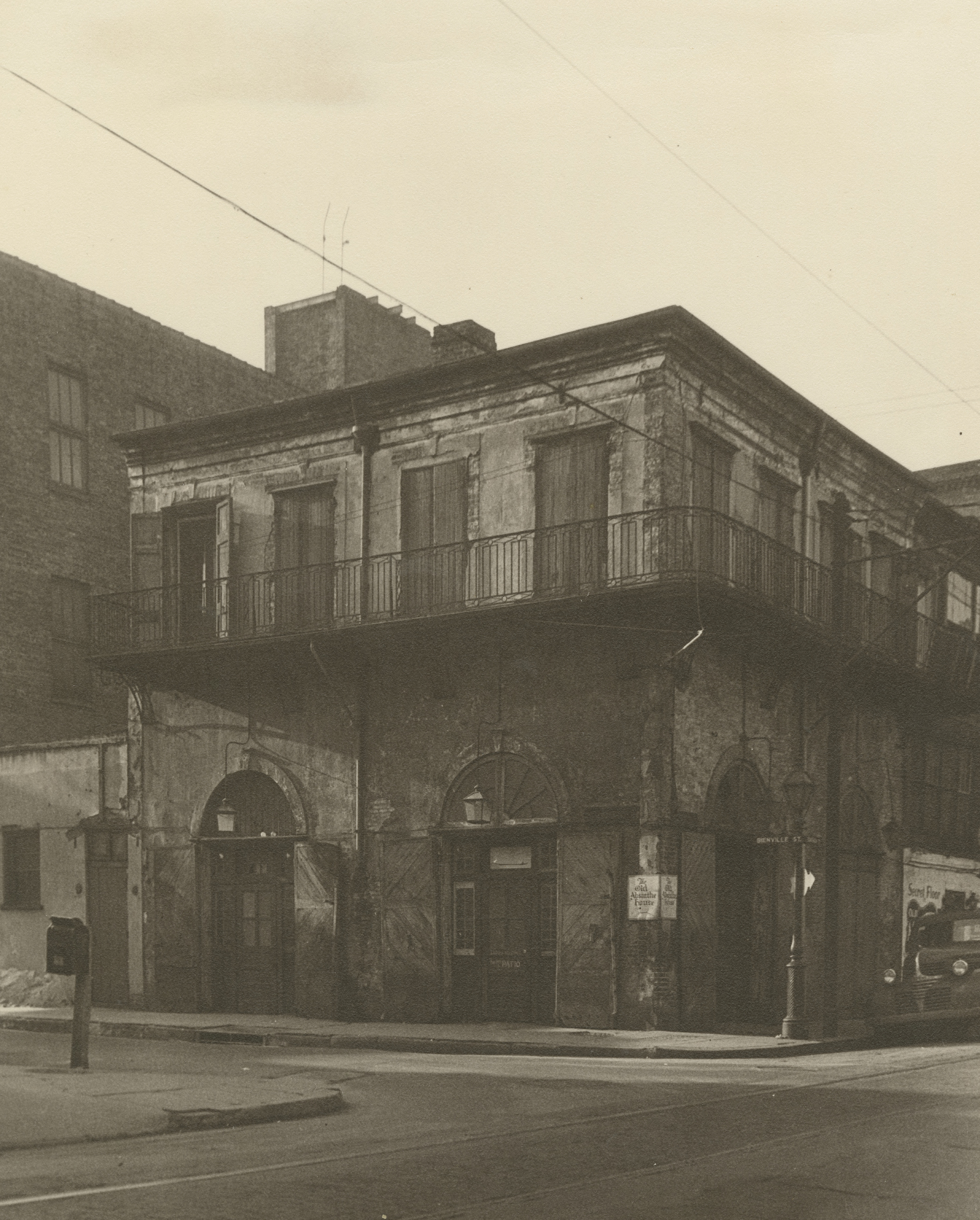
A Corner Older
Than the Republic
Discover the remarkable building that survived two devastating fires and has stood watch over New Orleans since the 1700s.
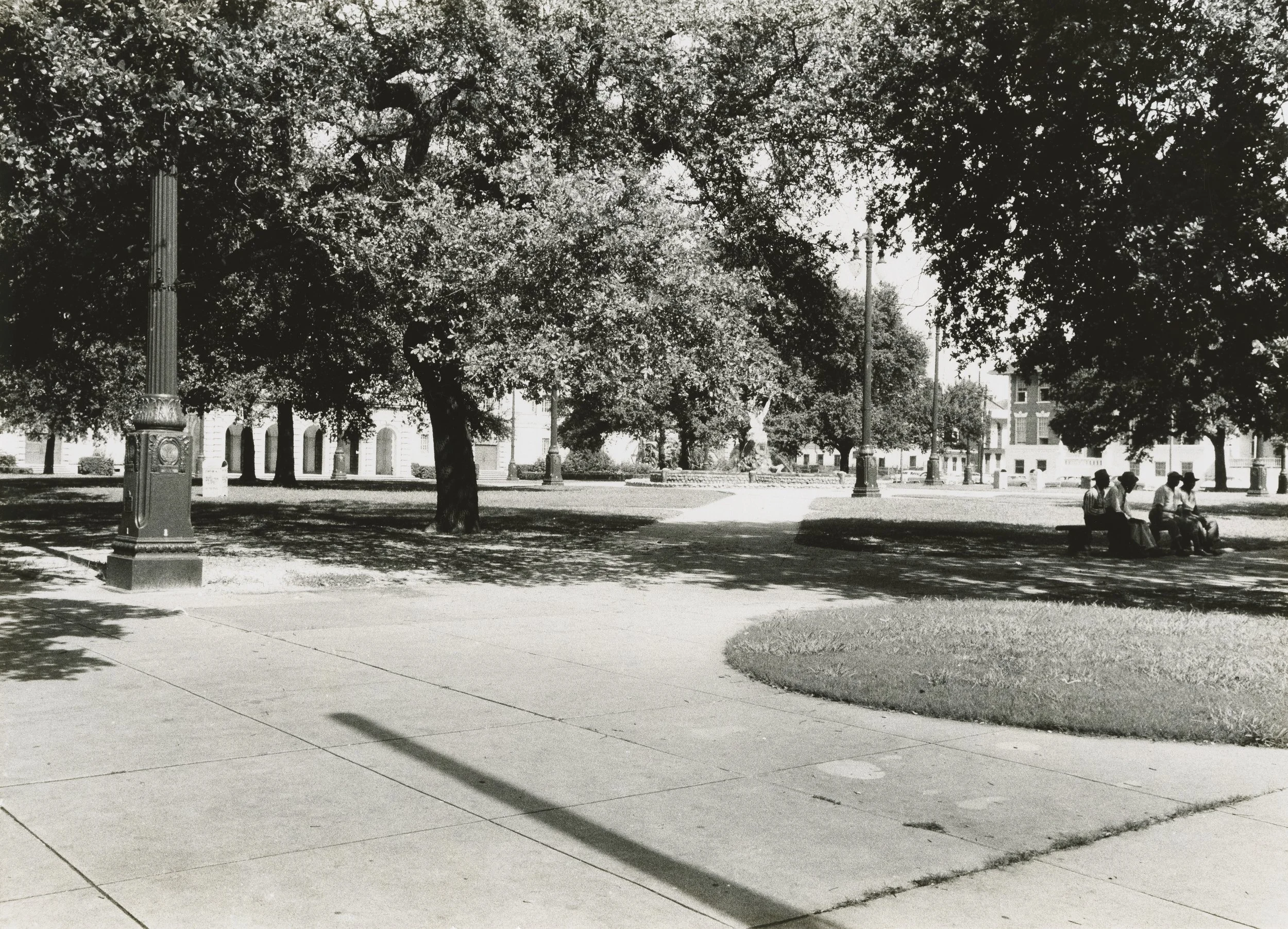
Congo Square:
Where the Music Began
Discover Congo Square, the historic birthplace of rhythms that shaped jazz and transformed American music forever.
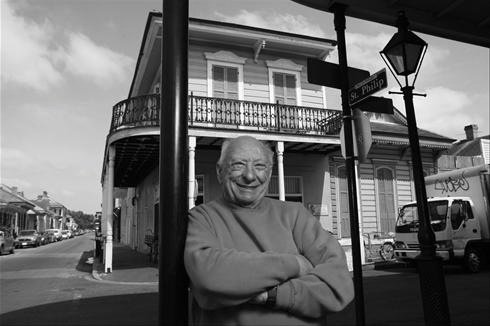
840 North Rampart and Dumaine: Where Cosimo Matassa Made Rock and Roll History
A historic New Orleans corner where rhythm, blues, and rock and roll legends recorded the songs that changed music forever.
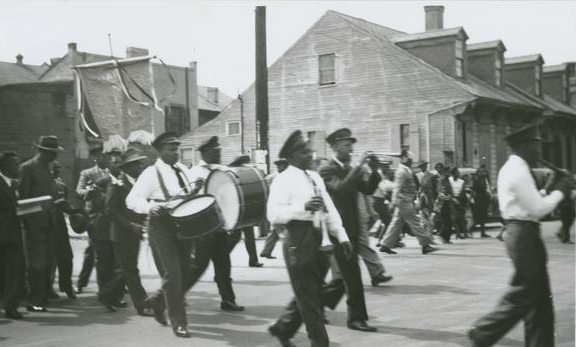
Storyville, the Tremé, and Where Jazz Became a Profession
Discover the historic streets where jazz evolved from local tradition into a professional art form.
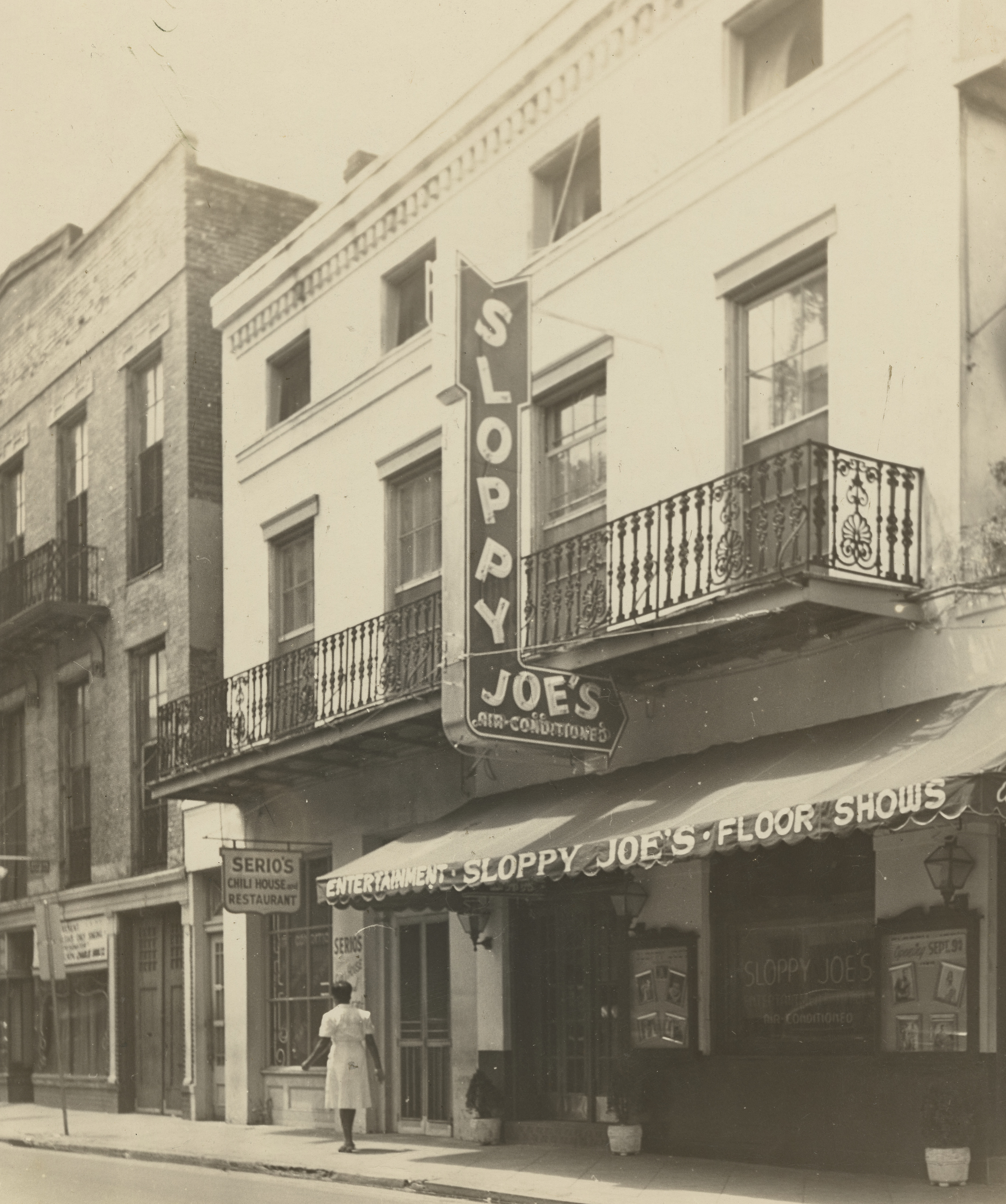
Burgundy Street Blues: The Street in the Canon
A quiet street with a legendary place in jazz history, forever immortalized by George Lewis’s “Burgundy Street Blues.”
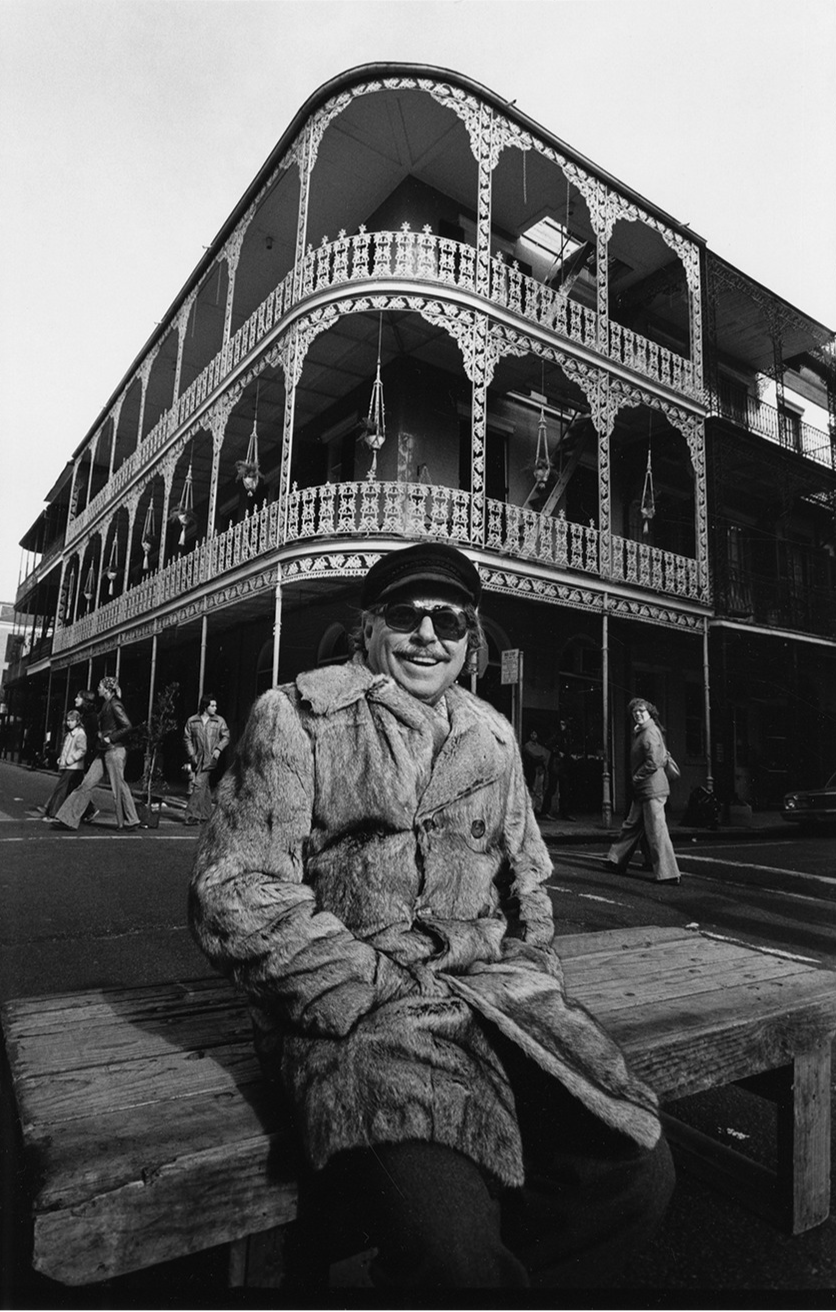
Tennessee Williams on Dumaine
Discover the Dumaine Street home where Tennessee Williams found inspiration and created his literary legacy.
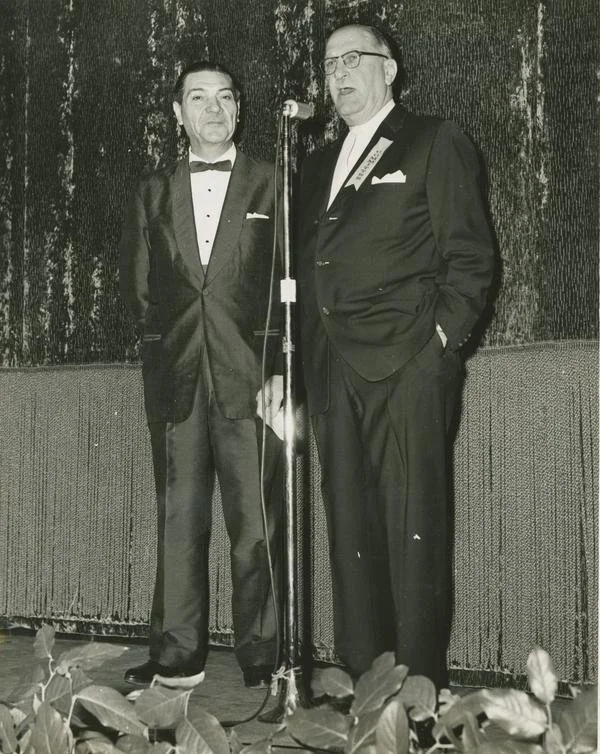
November 12, 1961: The World's First Jazz Museum Opens
Discover the birthplace of the world’s first jazz museum, where New Orleans celebrated and preserved its musical legacy.
The Archive Continues Online
The corner of Burgundy and Dumaine has held this history since the colonial era. Through two Great Fires, the birth of jazz at Congo Square, the rise of rock and roll at the Rampart and Dumaine recording studio, the world's first jazz museum, the composition of "Burgundy Street Blues" on the street that bears this archive's name, and two decades of literary life on the same block - this address has always been at the center of something much larger than itself.
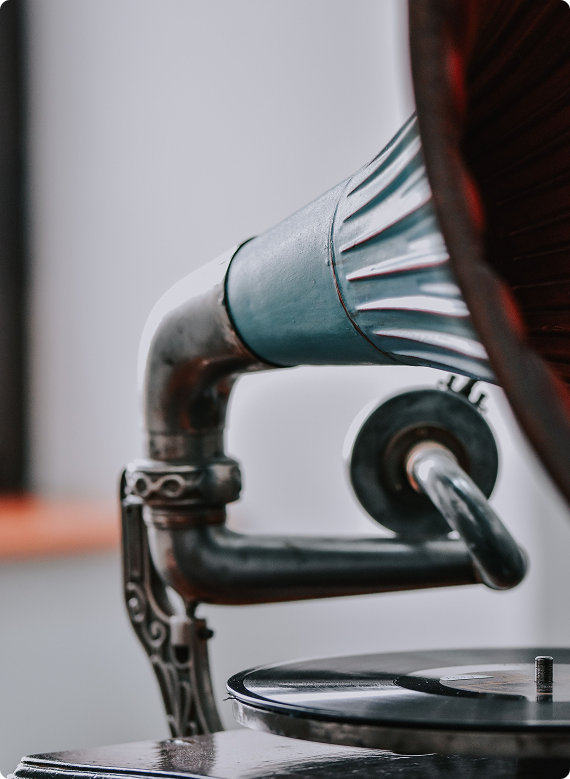
The New Orleans Jazz Museum® Burgundy & Dumaine Jazz Archive carries the spirit of that tradition forward as an active online museum - presenting instruments, records,folk art, photographs, autographs, and memorabilia connected to New Orleans jazz history.
The collection is available here, online, for researchers, collectors, educators, and anyone who cares about this music, the people that made the music and the streets on which it was made.